


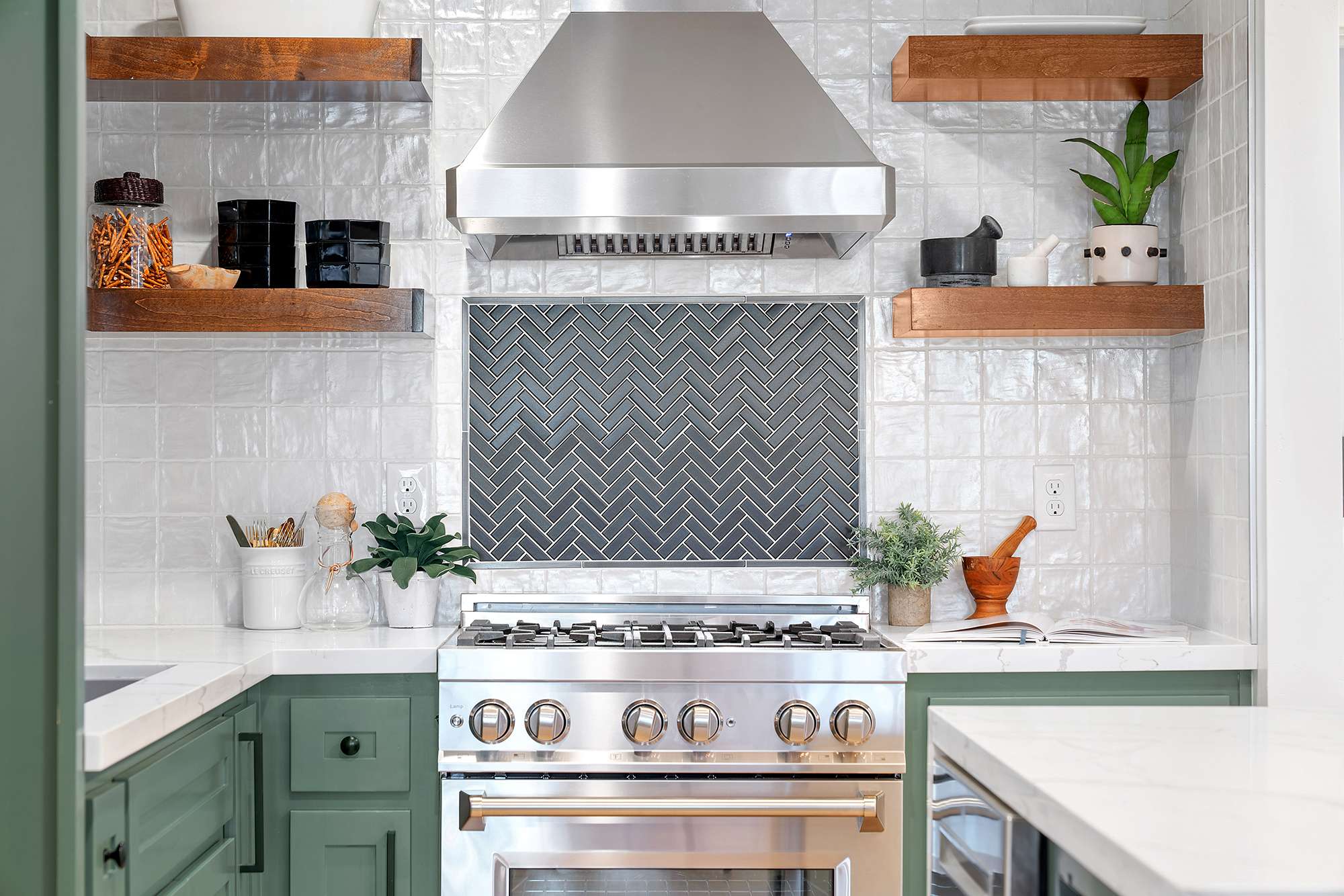
A kitchen backsplash does more than protect the wall behind a sink or stove. It can make a small kitchen feel brighter, add personality to a neutral space, or tie together cabinets, countertops, and flooring. Two popular choices are subway tile and mosaic tile, but they create very different results.
The better option depends on your preferred style, cleaning expectations, budget, and how much visual detail you want. Both materials can create an attractive, durable kitchen backsplash. Understanding their differences makes it easier to choose a design that looks good and works for everyday cooking.
What Makes Subway Tile a Kitchen Favorite?
Subway tile is typically rectangular, with classic versions measuring approximately 3 by 6 inches. Its familiar proportions and clean lines work with traditional, transitional, farmhouse, and contemporary kitchens.
The traditional brick pattern offsets each row by half a tile, creating a simple arrangement that feels balanced without becoming visually busy. However, subway tile is not limited to one layout. Other possibilities include:
Stacked bond: Tiles line up vertically and horizontally for a modern, organized appearance.
Vertical stack: Rectangular tiles stand upright, drawing attention to wall height.
Herringbone: Angled pieces create movement and a more decorative finish.
Vertical offset: Rows shift slightly to introduce visual interest while retaining a familiar shape.
Subway tile also comes in different finishes, colors, and materials. Glossy white ceramic creates a bright, classic look, while matte finishes and darker colors offer a more understated appearance. Porcelain options can provide additional design versatility.
One advantage is flexibility. Subway tile can complement patterned countertops or distinctive cabinet colors without competing for attention. It is often a sensible choice when homeowners want a backsplash that will remain appealing through future kitchen updates.
Why Choose a Mosaic Tile Backsplash?
Mosaic tile uses smaller individual pieces arranged in sheets or patterns. The pieces may be square, rectangular, hexagonal, circular, or irregular. Materials include ceramic, porcelain, glass, and natural stone. Because mosaics contain multiple small pieces, they can introduce color variation, texture, and intricate patterns that larger tiles cannot easily achieve. A glass mosaic, for example, can reflect light and add depth to a darker kitchen. Natural stone mosaics can create a more organic appearance.
Mosaics are especially useful when the backsplash needs to become a design feature rather than a quiet background. They can also follow curves and fit around certain architectural details more easily than large rectangular tiles. However, there is a trade-off. Smaller pieces create more grout joints, which means more areas where grease, food residue, and dirt can collect. A complex mosaic may also require more careful installation to keep the pattern aligned and the finished surface consistent.
Comparing Cost, Maintenance, and Durability
The price of either backsplash depends on the material, tile quality, pattern, surface preparation, and installation complexity. Standard ceramic subway tile is often an economical starting point because its shape is straightforward and widely available. Mosaic tile can cost more, particularly when it uses decorative glass, natural stone, or detailed patterns. Installation may also take longer because the individual sheets must align properly and maintain consistent spacing.
Maintenance is another important difference. Subway tile generally has fewer grout lines across the same wall area, making routine cleaning relatively simple. Mosaic surfaces need more attention because grease and residue can settle into the additional joints. Neither format is automatically more durable. Porcelain and ceramic tiles are generally suitable for kitchen backsplashes, while glass and stone have their own care requirements.
Natural stone may need periodic sealing, depending on the material. Glass can be easy to wipe clean, but the grout and installation still influence overall maintenance. For most kitchens, the grout deserves careful consideration regardless of tile style. Choosing an appropriate grout color can help conceal everyday discoloration, while proper sealing and cleaning protect the finished appearance.
How to Match Tile With Cabinets and Countertops
A backsplash should connect the major surfaces in the kitchen rather than compete with them. If your countertops have prominent veining or movement, a simple subway tile can provide visual balance. White, cream, soft gray, and other restrained shades can complement many countertop designs without making the room feel crowded. If the cabinets and countertops are relatively plain, a mosaic backsplash can introduce the detail the room needs. A subtle glass pattern or geometric arrangement can add interest without requiring a major kitchen renovation.
Also consider the room's natural and artificial lighting. Glossy subway tile and glass mosaics reflect light, which can make darker kitchens feel more open. Matte finishes create a softer effect and may be preferable when a reflective surface would feel too busy. Do not overlook grout color. Matching grout creates a more continuous surface, while contrasting grout highlights individual tile shapes and patterns. A dark grout with white subway tile, for example, makes the layout more prominent.
Installation Details That Affect the Final Result
A beautiful tile choice can disappoint if the installation is poorly planned. Before work begins, the wall should be clean, sound, and suitable for the selected tile and setting materials. Measurements should account for electrical outlets, cabinets, windows, and countertop edges. Layout planning is particularly important with mosaics. Sheets need to meet without obvious gaps or repeated seams. With subway tile, the installer should plan the starting point so narrow cuts do not become distracting at visible edges. The area behind the stove also deserves attention.
Grease exposure and cleaning frequency may influence which finish is most practical. Follow the tile and grout manufacturers' recommendations for suitable cleaners and maintenance. Remember that backsplash tile is different from tile flooring. Floor tiles must meet specific requirements for foot traffic and slip resistance, while backsplash materials are selected primarily for wall suitability, appearance, and ease of cleaning.
Give Your Kitchen a Finish That Feels Right
Subway tile is a dependable choice for homeowners who appreciate clean lines and straightforward maintenance. Mosaic tile is ideal when color, texture, and decorative detail deserve more attention. Neither is universally better. The right backsplash is the one that complements the kitchen and fits the way you use it.
For help exploring tile styles, layouts, and complementary flooring, contact The Carpet Man. Visit Santa Fe, NM to discuss your project and see design possibilities firsthand. Homeowners in Las Campanas, Tesuque, El Dorado, Glorieta, Los Alamos, and White Rock, NM can get guidance on creating a kitchen that feels cohesive, practical, and welcoming.


